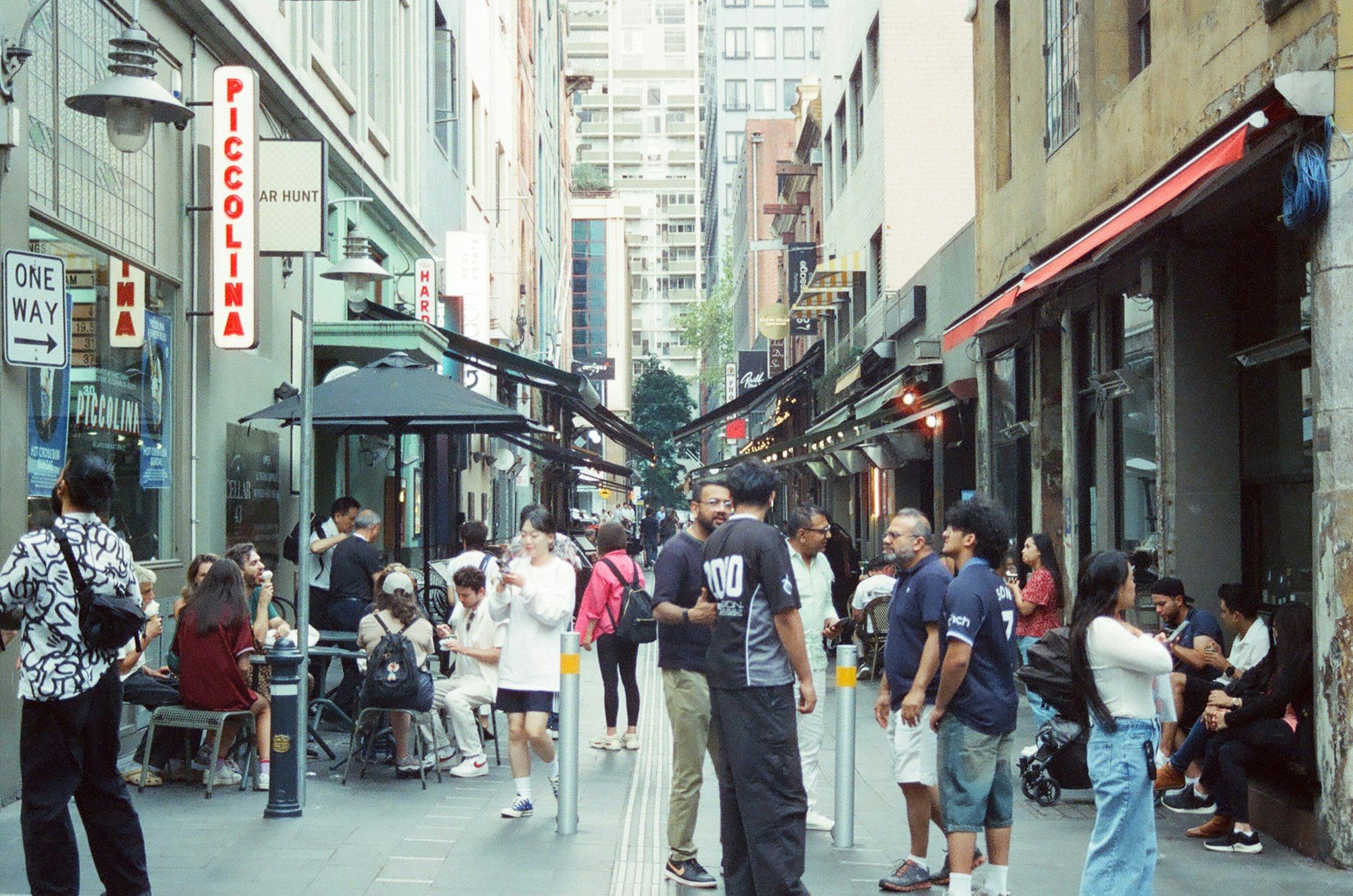
Business loans in Victoria work best when they fit the rhythm of the place: a packed events calendar, a huge food and manufacturing base, and regional towns that run to harvest and holiday seasons. FastBiz Loans gives Victorian owners easy access to $5,000 to $500,000 through one short online application, with decisions in as little as 4 hours. Whether you want a small business loan in Melbourne or finance for a tractor in Mildura, the path is the same.
What does Victoria’s economy look like for a small business?
Victoria is a big, diverse small-business state that keeps adding new operators. ABS figures show 19,581 more businesses trading in Victoria at June 2026 than a year earlier.
Melbourne’s strengths are health care, professional and creative services, education, construction and one of the country’s most competitive hospitality scenes. The Port of Melbourne makes the city a national freight hub, which feeds a dense ring of warehousing, transport and wholesale businesses from Laverton to Dandenong. Food and beverage manufacturing is a quiet giant, from coffee roasters and bakeries to meat, dairy and packaging plants.
Regional Victoria is just as varied:
- Geelong and the Surf Coast: construction, advanced manufacturing, health and summer tourism.
- Ballarat and Bendigo: health, education, trades, food production and heritage tourism.
- Goulburn Valley (Shepparton): fruit growing, packing, cold storage and transport.
- Sunraysia (Mildura): table grapes, citrus, almonds and irrigation services.
- Gippsland and the Latrobe Valley: dairy, energy services, timber and engineering.
- The Western District (Warrnambool, Hamilton): dairy, wool and beef.
When does cash get tight for Victorian businesses?
Victoria’s big moments are predictable, which makes them plannable. The trick is lining up funding before the rush, not during it.
| Time of year | What’s happening | Cash-flow effect | Products that often fit |
|---|---|---|---|
| January | Tennis in Melbourne, beach holidays, stone-fruit harvest in the Goulburn Valley | Hospitality and tourism peak; growers pay pickers weeks before buyers pay them | Line of credit, invoice finance |
| March | Grand Prix, food and wine festivals, Labour Day long weekend | Event suppliers, caterers and hire companies stretch to meet orders | Small business loan, merchant cash advance |
| Autumn (April–May) | Alpine businesses prepare for winter | Stock, hire gear and staff costs land before any revenue | Line of credit, equipment finance |
| July | End of financial year, BAS, payroll tax annual reconciliation | Several large tax and super bills in one month | Line of credit, working capital loan |
| October–November | Spring racing carnival, weddings and events season | Florists, fashion, hospitality and transport ramp up | Merchant cash advance, small business loan |
| December–January | Christmas trade, then the building-industry shutdown | Retailers carry stock; trades wait on invoices over the break | Invoice finance, line of credit |
For short, repeatable gaps like these, a revolving limit usually beats a lump sum. If your gap is a longer one, such as funding a second venue, a working capital loan or small business loan is usually the cleaner option.
What changed with Victorian payroll tax?
The tax-free threshold went up. From 1 July 2025, the State Revenue Office lifted the annual threshold from $900,000 to $1,000,000 and the monthly threshold from $75,000 to $83,333. The deduction phases out for employers with Australian wages between $3 million and $5 million, and disappears entirely at $5 million.
Registered employers generally lodge and pay monthly returns by the 7th of the following month, then complete an annual reconciliation after 30 June, due by 21 July. Thresholds and phase-outs change, so check the current threshold with the SRO each year.
What this means in practice: a Victorian employer sitting just under $1 million in wages has a little more room to hire than before. If a new contract pushes you over, price the payroll tax into your quote. And if the June return, the reconciliation and your BAS all land at once, that’s exactly the sort of short gap a line of credit is built for.
Who helps Victorian small businesses?
- Victorian Small Business Commission (VSBC). Provides low-cost mediation to help resolve disputes, including franchise agreements, partnerships, supply contracts, tenders and business sales. Getting a dispute settled quickly often frees up cash that’s otherwise stuck.
- Business Victoria. The state’s hub for current grants, programs, workshops and guides. In late August 2026, for example, the state opened $5,000 grants for trader groups, business associations and councils to run shop-local campaigns and multicultural business skills training, which is useful if your local precinct group is active.
- business.gov.au. Its grants finder covers federal and state programs in one search.
Example scenario — illustrative only. A Geelong electrical contractor wins fit-out work from two builders, both paying on 45-day terms. Wages, cable and switchboards all need paying well before the first invoice clears. Using invoice finance, the contractor unlocks up to 85% of each approved invoice soon after issuing it, keeps the crew paid weekly, and receives the balance, less the agreed cost, once each builder pays.
Our guide to how invoice finance works walks through that process with an illustrative invoice.
Which FastBiz Loans product fits your Victorian business?
Match the product to what you’re funding:
- Card-heavy hospitality or retail: a merchant cash advance from $5,000 to $300,000, repaid as a share of card and EFTPOS takings.
- B2B trades, labour hire, cleaning or IT: invoice finance, releasing up to 85% of invoice value.
- Machinery, vehicles, ovens, roasters or tech: equipment finance from $10,000 to $500,000, where the equipment usually forms the security.
- Seasonal swings: a line of credit from $10,000 to $250,000 that you draw, repay and draw again.
- A clear one-off move: a small business loan from $5,000 to $500,000.
To apply, you’ll generally need 6+ months trading, $5,000+ in monthly revenue, an active ABN, a business bank account and 3–6 months of statements. Hospitality owners can read more on our cafes, restaurants and bars page. When you’re ready, apply online. A lending specialist will call to talk through options, and every loan is priced on your business’s own situation.
Questions we get asked
Can I get a small business loan in Melbourne without visiting a branch?
Yes. FastBiz Loans is fully online. You submit a short enquiry, share bank statements through a secure read-only link, upload photo ID and sign electronically, so a Brunswick studio and a Warrnambool dairy supplier apply in exactly the same way.
How much has the Victorian payroll tax threshold changed?
The State Revenue Office lifted the annual threshold from $900,000 to $1,000,000 from 1 July 2025, and the monthly threshold from $75,000 to $83,333. The tax-free deduction phases out for employers with wages between $3 million and $5 million, so check the SRO calculator if you're growing quickly.
Do you lend to Victorian businesses with builders or government as customers?
Yes. Invoice finance can release up to 85% of the value of unpaid B2B invoices, which suits trades, labour hire, cleaning and IT businesses paid on 30 to 60 day terms. You'll need details of the debtors you invoice.
Is a merchant cash advance a good fit for Melbourne hospitality?
It can be for cafes, bars and restaurants with steady card and EFTPOS takings. The advance is repaid as a share of future card sales, so repayments ease in a quiet week and rise in a busy one. It's less suitable if most of your revenue comes by bank transfer or invoice.
What if my Victorian business is under 6 months old?
Look at our startup business loans, which run from $5,000 to $150,000 for businesses trading under 6 months. They're assessed case by case on the owners' experience, assets, security and plans, so a strong business plan and industry background really help.
Where can I get free business advice in Victoria?
Business Victoria lists current grants, programs and advice services, and the Victorian Small Business Commission offers low-cost mediation if you're in a dispute with a supplier, franchisor, landlord or business partner. Both are worth bookmarking before you need them.