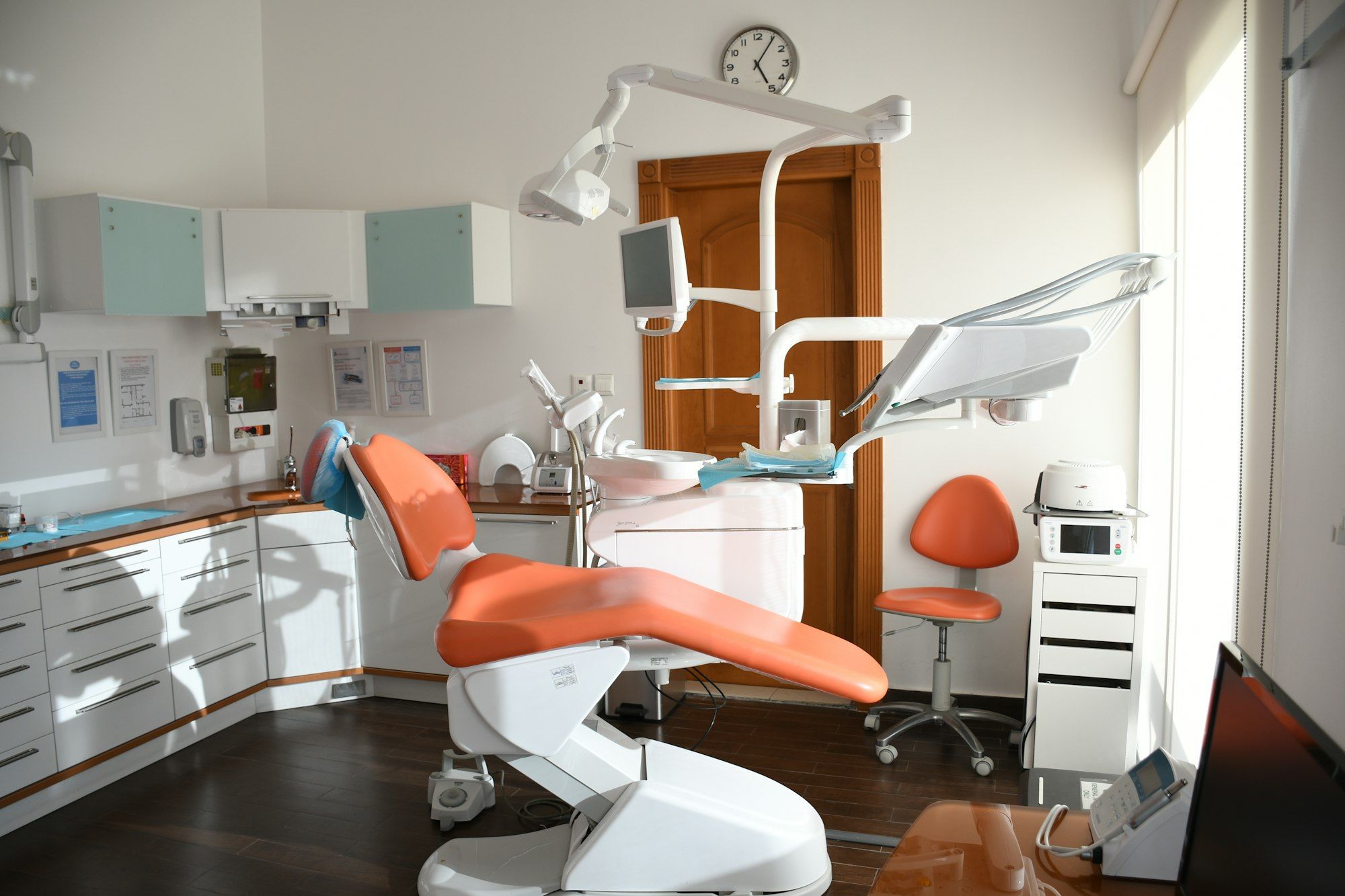
Medical practice finance should be as easy as booking an appointment. Health businesses are built on skilled people and serious equipment, and their income arrives from several payers on different timetables. FastBiz Loans gives GP clinics, dental practices, physios, psychologists, optometrists and other allied health businesses quick access to capital from $5,000 to $500,000, so you can invest in care without stretching the practice account.
Who pays a health practice, and when?
Several payers, each with its own rhythm. That’s what makes healthcare cash flow different from most small businesses.
| Payer | How the money arrives | What it means for cash flow |
|---|---|---|
| Medicare (bulk billing) | Electronic claims, paid into the practice account | Dependable, but only after the claim is lodged and processed |
| Patients (private and gap fees) | Card or EFTPOS at the desk | Immediate and card-heavy |
| Private health funds | On-the-spot claiming, settled to the practice | Quick, but in batches |
| NDIS participants | Via plan managers or the agency portal | Depends on the plan type and how fast invoices are processed |
| Insurers, employers and aged care providers | Invoices on payment terms | The slowest; often 30 days or more |
| Contracted practitioners | Service fees charged to them under your arrangements | Depends on your agreements |
Meanwhile, the big costs don’t wait: reception and nursing wages, rent on well-located rooms, consumables, software subscriptions and indemnity insurance.
How can a practice shorten the gap between treatment and payment?
Before you borrow for cash flow, tighten the collection side. A few habits make a real difference:
- Lodge Medicare and fund claims daily, not in a weekly batch, so money lands sooner.
- Take deposits on larger treatment plans, such as orthodontics, implants or multi-session programs, before the lab or supplier bill arrives.
- Invoice insurers and employers the day the report is finished, with every reference number they need, because a missing claim number is the most common reason a payment stalls.
- Keep NDIS paperwork tidy, including service agreements and plan-manager details, so invoices are paid on the first attempt.
- Review your fee schedule once a year, especially now that card surcharges are being removed from 1 October 2026.
Once those basics are in place, finance becomes a tool for growth rather than a patch for slow paperwork. That’s where it does its best work.
What can medical practice finance pay for?
Most healthcare borrowing falls into three buckets.
Equipment. It’s the biggest one. Think dental chairs, intraoral scanners and OPG units; ultrasound and ECG machines; shockwave and laser units for physiotherapy; retinal imaging for optometry; autoclaves, treatment beds and practice software. Medical equipment finance lets the equipment itself form the security, so you keep working capital for everything else.
Rooms and fit-outs. Adding a consult room, a procedure room or accessible bathrooms, or moving to a bigger site.
People and growth. Bringing on an associate, extending hours, opening a second location or buying into an existing practice.
Which finance product suits which healthcare need?
| Need | Product | How well it fits |
|---|---|---|
| Chairs, imaging, scanners, lasers, treatment beds | Equipment Finance ($10k–$500k) | Strong fit. New or used; repayments often matched to the working life of the equipment |
| Fit-out, a new room, a second clinic, a practice buy-in | Small Business Loan ($5k–$500k) | Strong fit for one-off growth projects |
| Wages and consumables while claims and invoices clear | Line of Credit ($10k–$250k) | Good fit; draw only what you need |
| Invoices to insurers, employers or aged care providers | Invoice Finance (up to 85%) | Selective fit; only for B2B invoices on terms |
| Card-heavy private billing (dental, physio, cosmetic) | Merchant Cash Advance ($5k–$300k) | Possible where card takings are steady |
| A clinic under six months old | Startup Loan ($5k–$150k) | Case by case on experience, assets and plans |
Example scenario — illustrative only. A Ballarat dental practice with three chairs wants to add an intraoral scanner and fit out a fourth surgery for a new associate. The scanner and chair go on equipment finance using the supplier’s tax invoice. A small business loan covers the building work and cabinetry. The associate’s first months of billings then help pay for the growth.
What’s happening in Australian healthcare right now?
Healthcare is one of the fastest-growing parts of the economy. The ABS counted 227,702 health care and social assistance businesses at June 2026, up 6.7% in a year, the largest rise of any industry.
A few points are worth planning around:
- Payroll tax on contracted practitioners has become a live issue for medical centres in several states. Revenue NSW, for example, publishes specific guidance for medical practices, including relief linked to bulk-billing thresholds. Your accountant can check how your service agreements are treated.
- Payday Super started on 1 July 2026, so super for your employed team now follows every pay run.
- The instant asset write-off is now permanent at $20,000 per asset for businesses with turnover under $10 million, which can suit smaller items like sterilisers, diagnostic tools and computers. Our equipment finance and instant asset write-off guide explains how finance and the write-off fit together.
What will a lender look at for a medical or allied health practice?
Healthcare applications are usually straightforward because income is regular and well documented. Expect a lender to look at:
- Regular deposits from Medicare, health funds and card settlements
- How concentrated your income is, for example on one principal practitioner
- Existing equipment finance, and how new repayments sit alongside it
- Your lease, if you’re funding a fit-out
- Your ATO position, including BAS lodgement
You’ll need 3–6 months of business bank statements, photo ID and your ABN, plus financial statements for amounts over $150,000.
How do I get started?
Tell us what you want to fund in a 60-second online enquiry, between patients if you like. It doesn’t affect your credit score. A lending specialist will call to talk it through, decisions can come in as little as 4 hours, and same-day funding is possible once you’re approved and have signed.
Questions we get asked
Can a newly qualified practitioner opening a clinic get finance?
A clinic trading for under six months can apply for a startup loan of $5,000 to $150,000, assessed case by case on the owners' clinical and business experience, assets and plans. Equipment finance is often the easiest starting point, because the equipment secures it.
Can I finance refurbished medical or dental equipment?
Often, yes. Refurbished and used equipment can be financed when it's clearly identifiable and comes with a proper tax invoice from the supplier. Lenders may ask about its age and remaining working life.
Can a health practice use invoice finance?
Only for invoices issued to organisations on payment terms, such as insurers, employers, aged care providers or other businesses. Patient fees paid on the day and Medicare bulk-billing claims aren't suited to it.
Can I use a loan to buy into a practice or buy a patient list?
Business purchases and buy-ins are assessed case by case. A lender will want to see the practice's bank statements and, for amounts over $150,000, its financial statements, plus the terms of the deal.
Does bulk billing affect how lenders see my practice?
Lenders mainly look at the consistency of your income, not how it's billed. Regular Medicare deposits are easy to read in bank statements and show dependable cash flow, which helps an application.
How quickly can equipment finance be arranged for a clinic?
Decisions can come in as little as 4 hours. Having the supplier's quote or tax invoice ready is the single biggest thing that speeds up medical equipment finance.