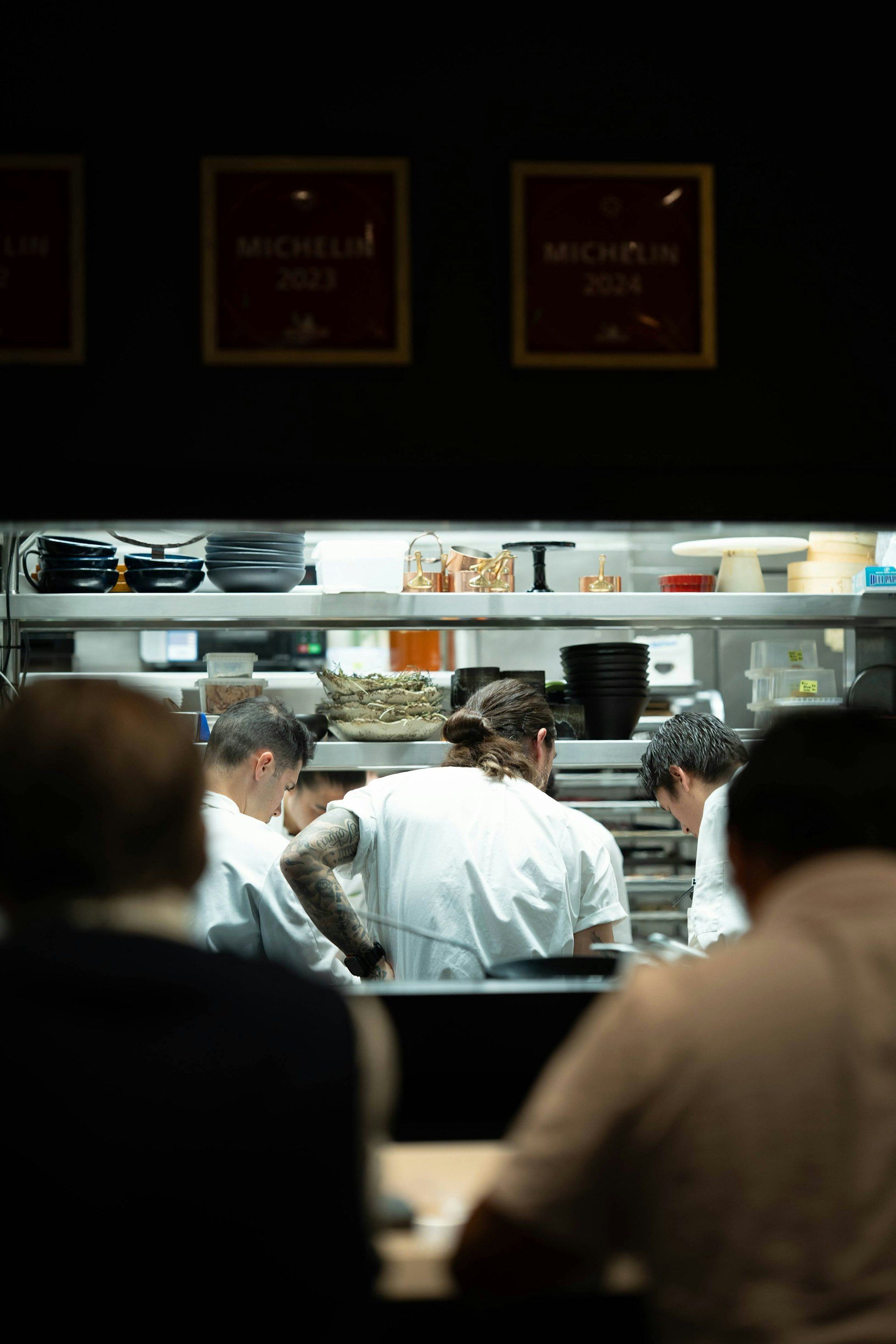
Hospitality business loans work best when they follow the rhythm of your venue. Cafes, restaurants and bars take money every single day, mostly by card, but pay for produce weekly, wages on a set cycle and equipment in big one-off hits. FastBiz Loans gives hospitality owners easy access to capital from $5,000 to $500,000, with options that flex with your takings rather than fighting them.
How does cash actually move through a hospitality business?
Daily in, weekly and quarterly out. That mismatch is normal, and it’s where most cafe finance and restaurant finance gets used.
| Rhythm | Money in | Money out |
|---|---|---|
| Daily | Card and EFTPOS settlements, a little cash | Fresh produce top-ups, delivery-app commissions |
| Weekly | Function deposits, catering orders | Suppliers on short trade terms, wages and, from July 2026, super with each pay run |
| Monthly | Corporate catering invoices, if you do them | Rent, utilities, payment-terminal fees, loan repayments |
| Quarterly | — | BAS, insurance, bigger maintenance jobs |
| Once a year or so | — | Equipment replacement, refits, liquor licence renewal |
Cash is now a small slice of the takings. The RBA’s 2025 Consumer Payments Survey found only about 19% of in-person payments were made in cash. For hospitality, that means your bank statements tell a clear, detailed story of trade, and lenders can read it quickly.
What’s changed for hospitality costs in 2026?
Three changes are worth building into your numbers this year:
- Award wages rose 4.75% from 1 July 2026, following the Fair Work Commission’s Annual Wage Review. Weekend and public holiday penalty rates rise with them.
- Payday Super started on 1 July 2026. Super now has to reach each employee’s fund within 7 business days of payday, instead of quarterly. Casual-heavy rosters feel this most.
- Card surcharges are being removed from 1 October 2026 under the RBA’s payments reforms. Card costs will need to sit inside your menu prices rather than at the register.
None of these is a reason to panic. They’re a reason to review pricing, check you’re on the best payment plan with your terminal provider, and keep a working-capital buffer for the months when the timing bites.
What can hospitality finance pay for?
Most owners use it for one of five things:
- Kitchen and bar equipment: combi ovens, espresso machines and grinders, coolrooms, glass washers, ice machines, beer systems.
- Fit-outs and refreshes: a new counter, outdoor dining, acoustic panels, a bathroom upgrade before summer.
- Stock-ups: wine and spirits before December, or bulk buying when a supplier offers a deal.
- Seasonal cover: wages and rent through a slow winter in a beach town, or January in a CBD.
- Growth: a second site, a catering arm, a dark kitchen or longer trading hours.
Which product fits which hospitality need?
| Need | Best-fit product | Why |
|---|---|---|
| Uneven card takings, flexible repayments | Merchant Cash Advance ($5k–$300k) | Repaid as a share of card and EFTPOS sales, so repayments ease on quiet days |
| Oven, coffee machine, coolroom | Equipment Finance ($10k–$500k) | The equipment usually forms the security; new or used |
| Seasonal dips and supplier bills | Line of Credit ($10k–$250k) | Draw for winter, repay in summer, draw again next year |
| Fit-out, refurb or second venue | Small Business Loan ($5k–$500k) | A lump sum with a clear repayment plan |
| New venue under six months old | Startup Loan ($5k–$150k) | Assessed on the owners’ experience, assets and plans |
| Invoice Finance | Usually not a fit | Only useful if you invoice businesses for catering or functions on terms |
Is a merchant cash advance a good fit for a cafe?
It can be, when card takings are steady and you value repayments that move with trade. You receive a lump sum, and a set share of your future card sales goes towards repaying it. A slow Tuesday means a smaller repayment; a packed long weekend means a bigger one.
It’s less suited to a venue whose takings are very new, or to funding a long-lived asset such as a full kitchen, where equipment finance usually makes more sense. Our merchant cash advance guide walks through how the share of card sales works in practice.
Example scenario — illustrative only. A Fremantle cafe owner wants a second espresso machine and a new grinder before summer, plus a fresh coat of paint and new outdoor furniture. The machine and grinder go on equipment finance, secured by the equipment. The refresh is covered by a small merchant cash advance, repaid as a share of the busier summer card takings.
How should you plan for hospitality’s busy and quiet seasons?
Know your calendar, then fund it. December parties, school holidays and long weekends bring strong takings, while January in city centres and winter in coastal towns can be thin. Map your last two years of takings month by month, and arrange a line of credit before the quiet stretch starts, not halfway through it. Our seasonal cash flow planning guide has a simple template.
The ABS counted 1.3% growth in accommodation and food services businesses in 2025–26, so competition for customers and staff isn’t going away. Venues that refresh, upgrade and move quickly tend to hold their spot.
What do lenders look for in a cafe or restaurant?
Mostly, the story your card settlements tell. A lender will look at:
- Average daily and weekly takings, and how they move with the seasons
- Supplier and wage payments going out on time, with few dishonours
- Delivery-app payouts, which count as revenue when they land in your business account
- Existing finance, including any other advances repaid from card sales
- Your lease, if you’re funding a fit-out in rented premises
Owners who can explain a dip (“we closed for two weeks to renovate”) in a sentence make the assessment faster and smoother.
Here’s what you’ll need to apply
- 3–6 months of business bank statements, shared securely online
- Photo ID for the owners or directors
- Your ABN (or ACN)
- A supplier quote or invoice for any equipment
- Financial statements only if you’re borrowing more than $150,000
Most owners finish the enquiry between the lunch rush and the afternoon prep. Start your 60-second enquiry and a lending specialist will call to talk through your options. Decisions can come in as little as 4 hours, and same-day funding is possible once approved and signed.
Questions we get asked
Can a new cafe get finance?
Venues trading for under six months can apply for a startup loan of $5,000 to $150,000, assessed case by case on the owners' hospitality experience, assets and plans. Equipment finance for the coffee machine or ovens is often easier to arrange early, because the equipment secures it.
How is a merchant cash advance sized for a restaurant?
Mainly from your card and EFTPOS turnover over recent months. Steady, consistent takings support a larger advance, and a lender will also look at seasonality so repayments stay comfortable in slower weeks.
Can I finance second-hand kitchen equipment?
Often, yes. Used ovens, refrigeration and coffee machines can be financed when the item is identifiable and has a clear value. A tax invoice from the seller helps things move quickly.
Do I need to own my premises?
No. Most hospitality businesses lease their venue, and lenders assess you on trading history, bank statements and what you're funding. A long remaining lease term can help for bigger fit-out loans.
Will the card surcharge changes affect my application?
Not directly. Lenders look at your takings and margins, so building card costs into your menu prices after 1 October 2026 simply keeps your margins healthy, which supports any application.
Can I use finance to cover wages in winter?
Yes, working capital is a common use. A line of credit is usually the tidiest option for seasonal dips, because you only draw what you need and repay it when trade picks up.