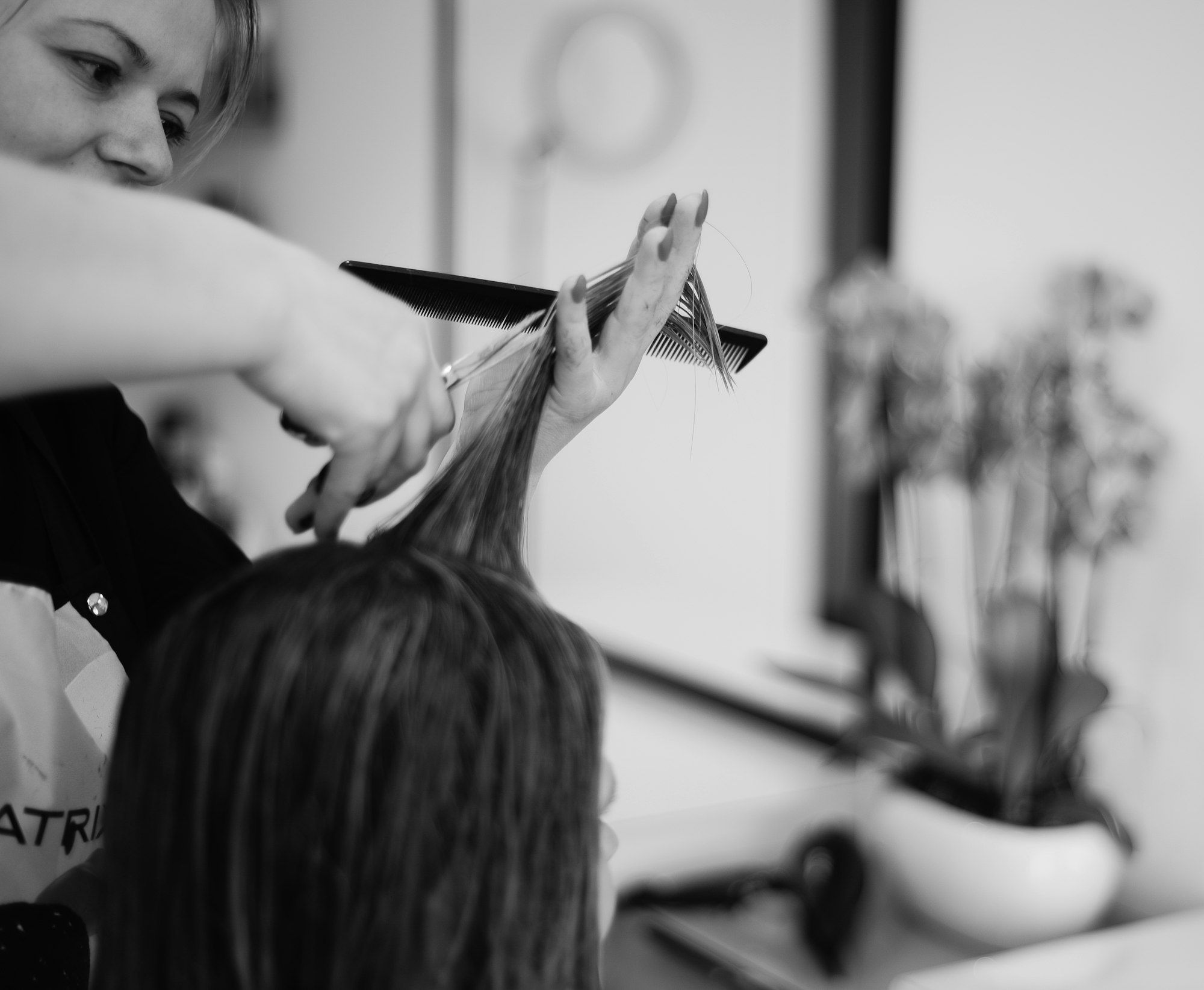
Beauty, fitness and wellness business loans help you invest in the experience clients come back for: the new reformer room, the laser everyone’s asking about, the fit-out that makes a salon feel like a treat. FastBiz Loans gives salon, gym and studio owners easy access to capital from $5,000 to $500,000, with options built around how your clients actually pay.
How do salons, gyms and studios get paid?
It depends on your model, and most businesses run a mix of all three.
Pay on the day. Hair and beauty salons, barbers, nail bars, brow and lash studios, massage and day spas mostly take card or EFTPOS at the counter when the service is done. Income is daily and card-heavy, and retail product sales add a useful second stream.
Memberships. Gyms, pilates and yoga studios, boxing and functional fitness boxes usually bill members by weekly, fortnightly or monthly direct debit. Recurring income is predictable, which lenders appreciate, but a wave of cancellations or failed debits shows up fast.
Pay upfront, deliver later. Class packs, treatment courses, bridal packages and gift vouchers bring cash in early, while the service is still owed. It’s great for cash flow, as long as you don’t spend it as though it’s already earned.
When are the busy and quiet seasons?
Knowing your calendar is half of good cash planning:
| Period | Salons, spas and beauty | Gyms and studios |
|---|---|---|
| January–February | Quieter after the Christmas rush | New-year sign-up peak |
| March–May | Steady; weddings and events | Attendance settles; some cancellations |
| June–August | Winter lull for many services | Indoor classes hold up well |
| September–November | Spring events, formals, weddings | Pre-summer surge |
| December | Party season, the year’s busiest weeks | Quiet over the holidays |
The quiet stretches are the natural time to refresh the fit-out or install new equipment, ideally with the funding arranged before you close the doors for a week.
What do beauty and fitness businesses usually fund?
- Treatment equipment: cosmetic lasers, IPL, skin and body devices, treatment beds, infrared saunas and cold plunges.
- Fitness equipment: pilates reformers, racks and rigs, cardio machines, flooring and sound systems.
- Salon fit-outs: styling stations, backwash basins, lighting, reception and retail displays.
- Growth: a second studio, extra rooms, a booking and membership system, or marketing for a launch.
- Stock: professional and retail product ahead of the busy season.
Which finance product suits which need?
| Need | Product | Fit |
|---|---|---|
| Reformers, lasers, gym equipment, salon chairs | Equipment Finance ($10k–$500k) | Strong. The equipment usually forms the security; new or used |
| Steady card takings, flexible repayments | Merchant Cash Advance ($5k–$300k) | Strong for salons and spas with regular card trade |
| Fit-out, second location, launch marketing | Small Business Loan ($5k–$500k) | Good for one-off growth projects |
| Quiet months, stock before peak season | Line of Credit ($10k–$250k) | Good. Draw for winter, repay in spring |
| A new salon or studio under six months old | Startup Loan ($5k–$150k) | Case by case on experience, assets and plans |
| Invoice Finance | Rarely | Only for B2B work, such as corporate wellness contracts invoiced on terms |
Example scenario — illustrative only. A Perth pilates studio owner has a waitlist for her eight-reformer room and wants to open a second room with ten more reformers. The reformers go on equipment finance, secured by the equipment itself. A small business loan covers the room fit-out, mirrors and sound system. She pre-sells launch class packs, and the new memberships help cover repayments from the first month.
What’s changed for salons and studios in 2026?
Three changes are worth building into your pricing and cash plan:
- Card surcharges are being removed from 1 October 2026 under the RBA’s payments reforms. Many salons have surcharged card payments, so those costs now need to sit inside your service prices.
- Award wages rose 4.75% from 1 July 2026, following the Fair Work Commission’s Annual Wage Review.
- Payday Super means employee super now has to reach each fund within 7 business days of payday.
On the tax side, the ATO’s $20,000 instant asset write-off is now permanent for businesses with turnover under $10 million. It can suit individual items like a styling chair, a treatment bed or a few pieces of cardio equipment. Your accountant can confirm the detail.
It’s a growing field. The ABS counted a 3.1% rise in “other services” businesses, which includes hair and beauty, and a 3.8% rise in arts and recreation businesses, which includes gyms and fitness centres, in 2025–26. Our business growth finance page looks at how to fund the next step without overstretching.
How can you smooth cash between the busy weeks?
A few simple habits make the quiet months easier, with or without finance:
- Treat prepaid packs and vouchers as owed, not earned. Park a share of that money in a separate account until the sessions are used.
- Chase failed direct debits within days. A quick automated retry and a friendly message recover most of them.
- Plan equipment upgrades for the lull. Install the new reformers or laser in winter so they’re earning when the spring rush arrives.
- Keep retail stock lean. Order product little and often, and push bestsellers rather than holding every line.
What will a lender look at?
Mostly your bank statements. Expect questions about average weekly takings, membership direct debits and how steady they are, the volume of prepaid packs and vouchers, existing finance on equipment, and your lease if you’re funding a fit-out. You’ll need 3–6 months of business bank statements, photo ID and your ABN, plus financial statements for amounts over $150,000.
Ready to grow?
Start your 60-second enquiry between clients. It won’t affect your credit score. A lending specialist will call to talk it through, decisions can come in as little as 4 hours, and same-day funding is possible once you’re approved and have signed.
Questions we get asked
Can I finance salon or clinic equipment like lasers and IPL machines?
Yes. Cosmetic lasers, IPL machines, skin devices, styling chairs and basins can all be funded with equipment finance, new or used. A supplier quote or tax invoice is the key document.
Do gym membership direct debits count as revenue?
Yes. Membership payments that settle into your business bank account are regular, recurring income, and lenders tend to like that predictability. It helps if they land in the same account you use for the business.
Can I get finance to open a second studio?
Yes. A small business loan is the usual choice for a second location's fit-out, with equipment finance for the reformers or gym gear. Your first studio's trading history carries a lot of weight.
I rent chairs to independent stylists. Does that income count?
Chair or room rental paid into your business account is part of your business revenue. Lenders will look at how regular it is alongside your own service and retail takings.
Is a merchant cash advance a good idea for a salon?
It can suit salons with steady card takings that want repayments to rise and fall with trade. For a long-lived asset like a full fit-out or a laser, equipment finance or a small business loan is usually a better match.
Can a new studio get a startup loan?
Studios trading for under six months can apply for a startup loan of $5,000 to $150,000, assessed case by case. Your industry experience, any pre-sold memberships or class packs, your assets and your plan all help.